Category: Blog

Your blog category

  • 1000 BABY OIL BOTTLES’ INSIDE P-DIDDY’S HOUSE

    P Diddy Overview

    Music Career

    • Early Years: Diddy started as an intern at Uptown Records in the early 1990s, quickly rising to become a talent director.
    • Bad Boy Records: In 1993, he founded Bad Boy Records, launching the careers of artists like The Notorious B.I.G., Faith Evans, and Ma$e.
    • Hits: Diddy is known for numerous hits, including “I’ll Be Missing You,” “Bad Boy for Life,” and “Shake Ya Tailfeather.” He has won multiple Grammy Awards and is recognized for his contributions to hip-hop and R&B.

    Controversies

    • Legal Issues: Diddy has faced various legal challenges over the years, including lawsuits related to his business dealings and personal conduct. He has also been involved in high-profile altercations.
    • Public Persona: Diddy’s flamboyant lifestyle and relationships have often drawn media attention. He’s known for throwing extravagant parties, including his famous “white parties.”

    Lifestyle

    • White Parties: These exclusive events feature guests dressed in all white and often take place at luxurious venues. They are known for their opulence, celebrity attendance, and high-energy atmosphere.
    • Influence: Diddy is also recognized for his fashion sense and business ventures, including his clothing line, Ciroc vodka partnership, and the REVOLT television network.

    Notable People in His Life

    • Collaborators: Key figures include The Notorious B.I.G., Mase, Lil’ Kim, and more recently, artists like French Montana and Janelle Monáe.
    • Relationships: Diddy has been romantically linked to several high-profile women, including Jennifer Lopez and Cassie Ventura.

    Rumors and Speculations

    • Lifestyle and Choices: His flamboyant lifestyle has sometimes led to sensational rumors, including allegations about parties and personal conduct, often lacking credible sources.
    • Personal Life: Diddy’s personal life, including his parenting and relationships, has been a subject of public scrutiny.
  • PHILOS HEKIMA KASHERE

  • SASSA GRANT ELIGIBILITY CRITERIA


    SASSA offers various grants, each with specific eligibility criteria. Here’s a breakdown of the main grants and their requirements:

    1. Child Support Grant


    • Eligibility Criteria:
      • The applicant must be the primary caregiver of the child (parent, grandparent, or guardian).
      • The child must be under 18 years old.
      • The applicant and child must be South African citizens, permanent residents, or refugees.
      • The applicant must not earn more than R60,000 per year (R5,000 per month) if single, or R120,000 per year (R10,000 per month) if married.

    Here’s a detailed guide on how to apply for the Child Support Grant through SASSA in South Africa:

    SASSA Child Support Grant Application Process

    1. Determine Eligibility

    • The applicant must be the primary caregiver of the child (parent, grandparent, or legal guardian).
    • The child must be under 18 years old.
    • Both the applicant and the child must be South African citizens, permanent residents, or refugees.
    • The applicant must meet the income threshold:
      • Single: Annual income below R60,000 (R5,000 per month).
      • Married: Combined annual income below R120,000 (R10,000 per month).

    2. Gather Required Documents

    • Identity Document (ID): Valid South African ID or proof of refugee status.
    • Child’s Birth Certificate: An unabridged birth certificate is preferable.
    • Proof of Income: Recent payslip, bank statement, or affidavit if unemployed.
    • Proof of Residence: Utility bill, lease agreement, or affidavit confirming your address.
    • Proof of Relationship: If not the biological parent, provide documents proving guardianship or primary caregiving status (court order or affidavit).
    • School Attendance Proof (if applicable): For children over 7, a letter confirming school attendance may be required.

    3. Visit the Nearest SASSA Office

    • Applications must be submitted in person at your local SASSA office. Use the SASSA website or call their helpline at 0800 60 10 11 to locate the nearest office.

    4. Complete the Application Form

    • Collect the application form at the SASSA office and fill it out with the help of an official if needed. Ensure all information is accurate to avoid delays.

    5. Submit the Application

    • Submit the completed form along with all the required documents to the SASSA official. Ensure all documentation is complete and legible.

    6. Receive an Acknowledgment Receipt

    • You will receive a receipt as proof of application submission. Keep this receipt as it serves as evidence of your application.

    7. Application Review and Verification

    • SASSA will review your application, which may include verifying the documents and information provided, sometimes through a home visit.

    8. Outcome Notification

    • SASSA will notify you of the application outcome in writing. This process may take a few weeks.

    9. Grant Payment (If Approved)

    • If approved, payments will start the following month. Payments can be received via a SASSA card, your bank account, or cash pay points.

    10. Appeal Process (If Rejected)

    • If your application is rejected, you can appeal the decision within 90 days of receiving the notification. Visit the nearest SASSA office for guidance on the appeal process.

    Contact Information for Assistance

    2. Older Person’s Grant (Old Age Pension)


    • Eligibility Criteria:
      • The applicant must be 60 years or older.
      • The applicant must be a South African citizen, permanent resident, or refugee.
      • The applicant’s income and assets must be below certain thresholds (means test):
        • Single: Income below R95,400 per year, and assets less than R1,227,600.
        • Married: Combined income below R190,800 per year, and combined assets less than R2,455,200.

    Here is a detailed guide on how to apply for the Older Person’s Grant (Old Age Pension) through SASSA in South Africa:

    SASSA Older Person’s Grant Application Process

    1. Determine Eligibility

    • You must be 60 years or older.
    • You must be a South African citizen, permanent resident, or refugee.
    • You must pass the means test, which measures your income and assets:
      • Single: Income below R95,400 per year and assets less than R1,227,600.
      • Married: Combined income below R190,800 per year and combined assets less than R2,455,200.
    • You must not be receiving any other social grant for yourself.

    2. Gather Required Documents

    • Identity Document (ID): South African ID or valid proof of refugee status.
    • Proof of Income: Recent bank statements, payslips, or an affidavit if unemployed.
    • Proof of Residence: Utility bill, lease agreement, or affidavit confirming your address.
    • Marriage Certificate: If married.
    • Bank Account Details: Bank statements or account details for payment purposes.
    • Proof of Assets: Documentation of property ownership, investments, or any other assets.

    3. Visit the Nearest SASSA Office

    • Applications must be submitted in person at the nearest SASSA office. Locate your nearest office on the SASSA website or by calling 0800 60 10 11.

    4. Complete the Application Form

    • Collect the application form at the SASSA office. Fill it out with the assistance of SASSA officials if needed. Make sure all details are filled in correctly.

    5. Submit Your Application

    • Submit the completed form along with all the required documents. Ensure that everything is correctly filled in and legible.

    6. Receive an Acknowledgment Receipt

    • You will be given a receipt as proof that you have submitted your application. Keep this safe, as it serves as evidence.

    7. Application Review and Verification

    • SASSA will review your application, which may include verifying your documents and conducting a home visit if necessary.

    8. Outcome Notification

    • SASSA will inform you of the outcome of your application in writing. This process may take several weeks.

    9. Grant Payment (If Approved)

    • If approved, payments will start the month after approval. Payments can be received via your bank account, SASSA card, or cash pay points.

    10. Appeal Process (If Rejected)

    • If your application is rejected, you can appeal within 90 days of receiving the rejection letter. Visit your nearest SASSA office for guidance on the appeal process.

    Contact Information for Assistance

    3. Disability Grant


    • Eligibility Criteria:
      • The applicant must be between 18 and 59 years old.
      • The applicant must have a disability confirmed by a medical assessment.
      • The applicant must be a South African citizen, permanent resident, or refugee.
      • The applicant’s income and assets must be below certain thresholds:
        • Single: Income below R95,400 per year, and assets less than R1,227,600.
        • Married: Combined income below R190,800 per year, and combined assets less than R2,455,200.

    Here is a detailed guide on how to apply for the Disability Grant through SASSA in South Africa:

    SASSA Disability Grant Application Process

    1. Determine Eligibility

    • You must be between 18 and 59 years old.
    • You must have a disability confirmed by a medical assessment conducted by a SASSA-appointed doctor.
    • You must be a South African citizen, permanent resident, or refugee.
    • You must pass the means test, which measures your income and assets:
      • Single: Income below R95,400 per year and assets less than R1,227,600.
      • Married: Combined income below R190,800 per year and combined assets less than R2,455,200.
    • You must not be receiving any other social grant for yourself.

    2. Gather Required Documents

    • Identity Document (ID): South African ID or valid proof of refugee status.
    • Medical Assessment Report: Completed by a medical professional, confirming the nature and extent of the disability. The assessment must not be older than three months.
    • Proof of Income: Recent bank statements, payslips, or affidavit if unemployed.
    • Proof of Residence: Utility bill, lease agreement, or affidavit confirming your address.
    • Bank Account Details: For payment purposes.
    • Marriage Certificate: If married, and proof of spouse’s income.

    3. Visit the Nearest SASSA Office

    • Applications must be submitted in person at the nearest SASSA office. Find your nearest office on the SASSA website or by calling 0800 60 10 11.

    4. Complete the Application Form

    • Collect the application form at the SASSA office and fill it out. SASSA officials will assist if needed, ensuring the information provided is accurate and complete.

    5. Medical Assessment

    • As part of the application, you will undergo a medical assessment by a SASSA-appointed doctor to verify the disability and its impact on your ability to work.

    6. Submit Your Application

    • Submit the completed form along with all required documents to the SASSA official. Ensure that all information is accurate and legible.

    7. Receive an Acknowledgment Receipt

    • You will receive a receipt as proof of application submission. Keep this safe, as it serves as evidence.

    8. Application Review and Verification

    • SASSA will review your application, including the medical assessment and financial means test. A home visit may be conducted as part of the verification process.

    9. Outcome Notification

    • SASSA will inform you of the outcome in writing. This process may take several weeks, depending on the assessment and verification.

    10. Grant Payment (If Approved)

    • If approved, payments will start the following month. Payments can be received via your bank account, SASSA card, or cash pay points.

    11. Appeal Process (If Rejected)

    • If your application is rejected, you have the right to appeal the decision within 90 days of receiving the rejection letter. Visit your nearest SASSA office for assistance with the appeal process.

    Contact Information for Assistance

    4. Foster Child Grant


    • Eligibility Criteria:
      • The applicant must be a legal foster parent of the child.
      • The child must be under 18 years old.
      • The applicant and child must be South African citizens, permanent residents, or refugees.
      • The grant is not means-tested.

    Here’s a detailed guide on how to apply for the Foster Child Grant through SASSA in South Africa:

    SASSA Foster Child Grant Application Process

    1. Determine Eligibility

    • The applicant must be the foster parent of the child.
    • The child must be under 18 years old.
    • The applicant and child must be South African citizens, permanent residents, or refugees.
    • The child must have been placed in your care by a court order.

    2. Gather Required Documents

    • Identity Document (ID): Your valid South African ID or proof of refugee status.
    • Child’s Birth Certificate: An unabridged birth certificate of the foster child.
    • Court Order: A certified copy of the court order placing the child in your care.
    • Proof of Residence: Utility bill, lease agreement, or affidavit confirming your address.
    • Proof of Income: Recent payslips, bank statements, or an affidavit if unemployed.
    • Bank Account Details: Bank statement or account information for payment purposes.

    3. Visit the Nearest SASSA Office

    • Applications must be submitted in person at the nearest SASSA office. Locate your nearest office on the SASSA website or call 0800 60 10 11.

    4. Complete the Application Form

    • Collect the application form at the SASSA office and fill it out. SASSA officials can assist if needed. Make sure all the details are accurate and complete.

    5. Submit Your Application

    • Submit the completed form along with all required documents to the SASSA official. Ensure that everything is legible and correctly filled in.

    6. Receive an Acknowledgment Receipt

    • You will receive a receipt as proof of submission of your application. Keep this safe as it serves as evidence of your application.

    7. Application Review and Verification

    • SASSA will review your application, including verifying the court order and other details. In some cases, a home visit may be conducted.

    8. Outcome Notification

    • SASSA will inform you of the outcome in writing. This process may take several weeks, depending on the verification process.

    9. Grant Payment (If Approved)

    • If approved, payments will start the month after approval. Payments can be made via your bank account, SASSA card, or cash pay points.

    10. Appeal Process (If Rejected)

    • If your application is rejected, you can appeal within 90 days of receiving the rejection letter. Visit your nearest SASSA office for guidance on the appeal process.

    Contact Information for Assistance

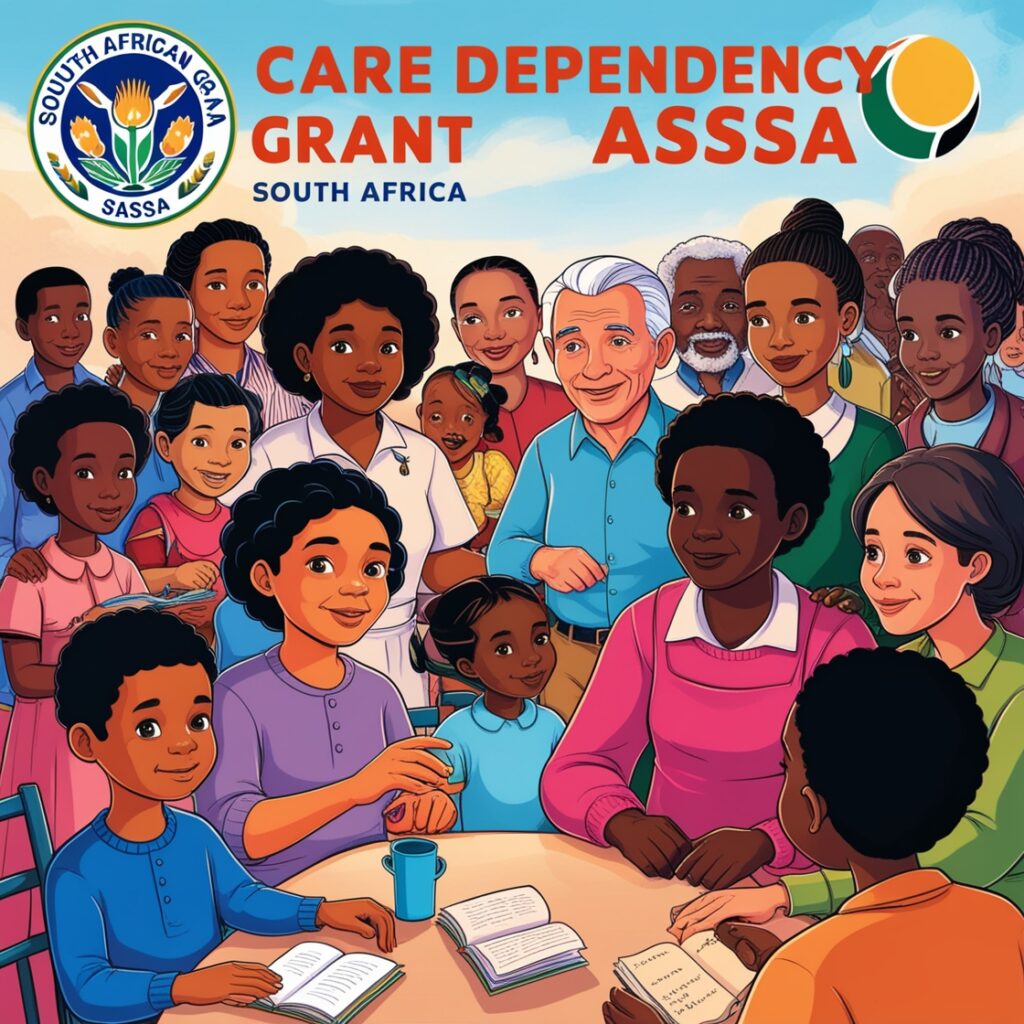
    5. Care Dependency Grant


    • Eligibility Criteria:
    • For children with severe disabilities who need full-time care.
    • The child must be under 18 years old.
    • The applicant and child must be South African citizens, permanent residents, or refugees.
    • The applicant’s income must meet the means test.

    Here’s a comprehensive guide on how to apply for the Care Dependency Grant through SASSA in South Africa:

    SASSA Care Dependency Grant Application Process

    1. Determine Eligibility

    • The grant is for children with severe disabilities who need full-time care.
    • The child must be under 18 years old.
    • The applicant (primary caregiver) and the child must be South African citizens, permanent residents, or refugees.
    • The applicant must pass the means test:
      • Single: Annual income below R223,200.
      • Married: Combined annual income below R446,400.
    • The child must not be permanently cared for in a state institution.

    2. Gather Required Documents

    • Identity Document (ID): Your South African ID or proof of refugee status.
    • Child’s Birth Certificate: An unabridged birth certificate is required.
    • Medical Assessment Report: A recent report (no older than 3 months) from a medical doctor confirming the child’s disability.
    • Proof of Income: Recent payslips, bank statements, or an affidavit if unemployed.
    • Proof of Residence: Utility bill, lease agreement, or affidavit confirming your address.
    • Bank Account Details: For the caregiver, to receive grant payments.
    • Marriage Certificate: If married, plus proof of spouse’s income.

    3. Visit the Nearest SASSA Office

    • Applications must be submitted in person at the nearest SASSA office. Find your local SASSA office on the SASSA website or call 0800 60 10 11.

    4. Complete the Application Form

    • Collect and fill out the application form at the SASSA office. SASSA officials are available to help you complete the form.

    5. Submit Your Application

    • Submit the completed form along with all required documents. Ensure all information is filled in correctly and that the documentation is clear and legible.

    6. Medical Assessment

    • A medical assessment will be conducted by a SASSA-appointed doctor to verify the severity of the child’s disability.

    7. Receive an Acknowledgment Receipt

    • You will receive a receipt as proof of your application. Keep this safe as evidence of submission.

    8. Application Review and Verification

    • SASSA will review your application, including the medical assessment and means test. In some cases, they may conduct a home visit.

    9. Outcome Notification

    • SASSA will notify you of the outcome of your application in writing. This process may take a few weeks.

    10. Grant Payment (If Approved)

    • If approved, payments will start the month after approval. Payments can be made via your bank account, SASSA card, or cash pay points.

    11. Appeal Process (If Rejected)

    • If your application is rejected, you have the right to appeal within 90 days of receiving the rejection letter. Visit your nearest SASSA office for guidance on the appeal process.

    Contact Information for Assistance

    6. Grant-in-Aid


    • Eligibility Criteria:
      • For individuals who require full-time care due to a physical or mental condition.
      • Must already be receiving a disability, older person’s, or war veteran’s grant.
      • The applicant must be South African citizens, permanent residents, or refugees.

    Here’s a step-by-step guide on how to apply for the Grant-in-Aid through SASSA in South Africa:

    SASSA Grant-in-Aid Application Process

    1. Determine Eligibility

    • The Grant-in-Aid is for individuals already receiving an Older Person’s Grant, Disability Grant, or War Veteran’s Grant who need full-time care due to their physical or mental condition.
    • The applicant must be a South African citizen, permanent resident, or refugee.
    • Must be assessed by a doctor confirming the need for full-time care.

    2. Gather Required Documents

    • Identity Document (ID): Your valid South African ID or proof of refugee status.
    • Medical Report or Assessment: A recent medical report (not older than 3 months) confirming that you need full-time care.
    • Proof of Residence: Utility bill, lease agreement, or affidavit confirming your address.
    • Proof of Current Grant: Confirmation of your current Older Person’s Grant, Disability Grant, or War Veteran’s Grant.

    3. Visit the Nearest SASSA Office

    • Applications must be submitted in person at the nearest SASSA office. Locate your nearest SASSA office on the SASSA website or by calling 0800 60 10 11.

    4. Complete the Application Form

    • Collect and fill out the Grant-in-Aid application form at the SASSA office. SASSA officials can assist with filling out the form if needed. Ensure all information is correct and complete.

    5. Submit Your Application

    • Submit the completed form along with all required documents to the SASSA official. Make sure that the documents are clear and legible.

    6. Receive an Acknowledgment Receipt

    • You will receive a receipt as proof that you have submitted your application. Keep this safe as it serves as evidence.

    7. Application Review and Verification

    • SASSA will review your application, which may include verifying your need for full-time care based on the medical report. A home visit may be conducted to confirm your circumstances.

    8. Outcome Notification

    • SASSA will notify you in writing about the outcome of your application. This process may take several weeks.

    9. Grant Payment (If Approved)

    • If approved, the Grant-in-Aid will be added to your existing social grant payments. Payments can be made through your bank account, SASSA card, or at cash pay points.

    10. Appeal Process (If Rejected)

    • If your application is rejected, you have the right to appeal within 90 days of receiving the rejection letter. Visit your nearest SASSA office for assistance with the appeal process.

    Contact Information for Assistance

    7. War Veteran’s Grant


    • Eligibility Criteria:
      • For individuals who fought in World War II or the Korean War.
      • Must be 60 years or older, or unable to work due to disability.
      • The applicant’s income and assets must meet the means test similar to the Older Person’s Grant.

    Here’s a step-by-step guide to applying for the War Veteran’s Grant through SASSA in South Africa:

    SASSA War Veteran’s Grant Application Process

    1. Determine Eligibility

    • Must have served in World War II or the Korean War.
    • Must be 60 years or older, or unable to work due to a disability.
    • Must be a South African citizen, permanent resident, or refugee.
    • Must pass the means test:
      • Single: Income below R95,400 per year and assets less than R1,227,600.
      • Married: Combined income below R190,800 per year and combined assets less than R2,455,200.

    2. Gather Required Documents

    • Identity Document (ID): South African ID or valid proof of refugee status.
    • Proof of War Service: Documentation proving participation in World War II or the Korean War.
    • Proof of Income: Payslip, bank statement, or affidavit if not earning.
    • Proof of Residence: Utility bill, lease agreement, or affidavit.
    • Medical Report: If applying due to disability, a medical report is needed.
    • Marriage Certificate: If married.

    3. Visit the Nearest SASSA Office

    • Applications must be submitted in person at the nearest SASSA office. You can find the nearest office on the SASSA website or call the toll-free number (0800 60 10 11).

    4. Complete the Application Form

    • SASSA officials will provide the application form, which you need to complete with assistance from the officials if necessary.

    5. Submit the Application

    • Submit your completed form along with all required documents. Make sure all information is accurate and complete.

    6. Receive an Acknowledgment Receipt

    • You will receive a receipt as proof of your application submission. This is important to keep as it serves as evidence of your application.

    7. Home Visit or Verification

    • SASSA may conduct a home visit or verification check to confirm the information provided.

    8. Outcome Notification

    • SASSA will inform you of the application outcome in writing. This may take a few weeks.

    9. Grant Payment (If Approved)

    • If approved, you will receive monthly payments via your chosen method (bank account, SASSA card, or cash pay points).

    10. Appeal (If Rejected)

    • If your application is rejected, you can appeal the decision within 90 days of receiving the notification.

    Contact Information for Assistance

  • HOW DO I EXERCISE MY RIGHT TO APPEAL THE COVID-19 SRD?

    If your application for the SASSA COVID-19 SRD (Social Relief of Distress) grant has been declined, you have the right to appeal the decision. Here’s a step-by-step guide on how to exercise your right to appeal the COVID-19 SRD grant:

    Step-by-Step Guide to Appeal Your SRD Grant Decline

    1. Go to the SRD Grant Appeals Website:
      • Visit the official SRD grant appeals website: https://srd.dsd.gov.za/appeals.
      • This website is managed by the Department of Social Development, which handles SRD grant appeals.
    2. Enter Your Details:
      • Provide your South African ID number.
      • Enter the phone number you used when applying for the SRD grant.
    3. Select the Month You Want to Appeal:
      • You need to lodge an appeal for each month that your application was declined. Choose the month(s) for which your SRD application was rejected.
    4. Provide Reasons for the Appeal:
      • The appeal system will automatically review the reason your application was declined. If needed, you may provide additional information or correct any discrepancies.
    5. Submit the Appeal:
      • Once all details are filled in and reviewed, submit your appeal online.
    6. Wait for Feedback:
      • After submitting your appeal, the Independent Tribunal will review your case. The tribunal will consider your application based on updated information and respond with their decision.
      • You will be informed of the outcome via SMS or through the appeals website.
      • The appeal process may take several weeks, so be patient and check for updates regularly.

    Important Points About the Appeals Process:

    • Appeal Within 90 Days: You must submit your appeal within 90 days of being informed that your application was declined. Failing to appeal within this time frame may disqualify you from further review.
    • Reasons for Decline and Appeal Eligibility:
      • Common reasons for declines include registration with UIF, receiving other social grants, or discrepancies in personal details. You can appeal if you believe the reason for the decline is incorrect.
      • If you have resolved the issue (e.g., if your UIF status has changed), you can provide this information during your appeal.
    • Free Appeal Process: The appeal process is free, and there are no fees associated with submitting your SRD grant appeal.
    • Check Appeal Status: You can check the status of your appeal by returning to the appeals website and entering your ID number and phone number.

    Contact SASSA for Further Help:

    • SASSA Helpline: If you have trouble submitting your appeal or have any questions, you can contact SASSA at 0800 60 10 11 for assistance.
    • SASSA Offices: You can also visit your nearest SASSA office for in-person assistance with the appeals process.
  • BUKURU BAHUSA

  • KIBISHI FABYSON

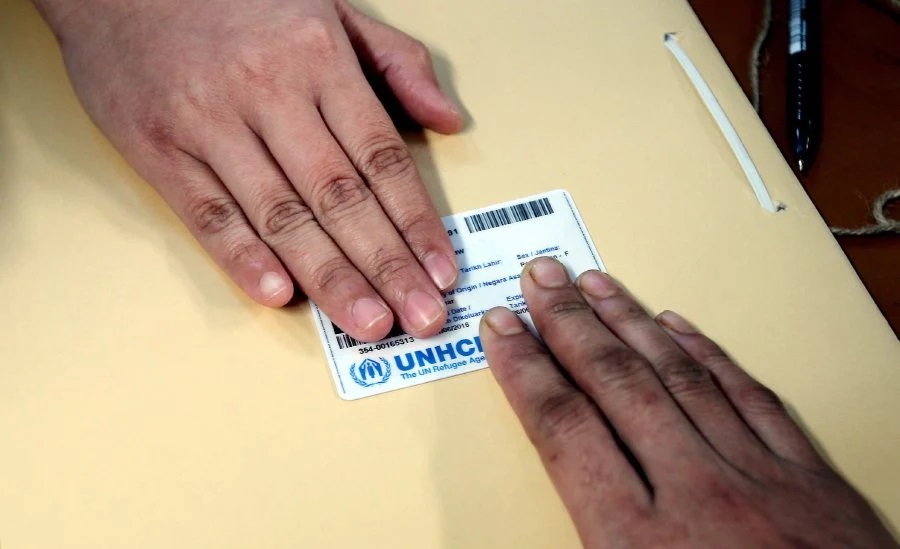
  • UNHCR Hasani Online Application Form for Refugees and Asylum Seekers

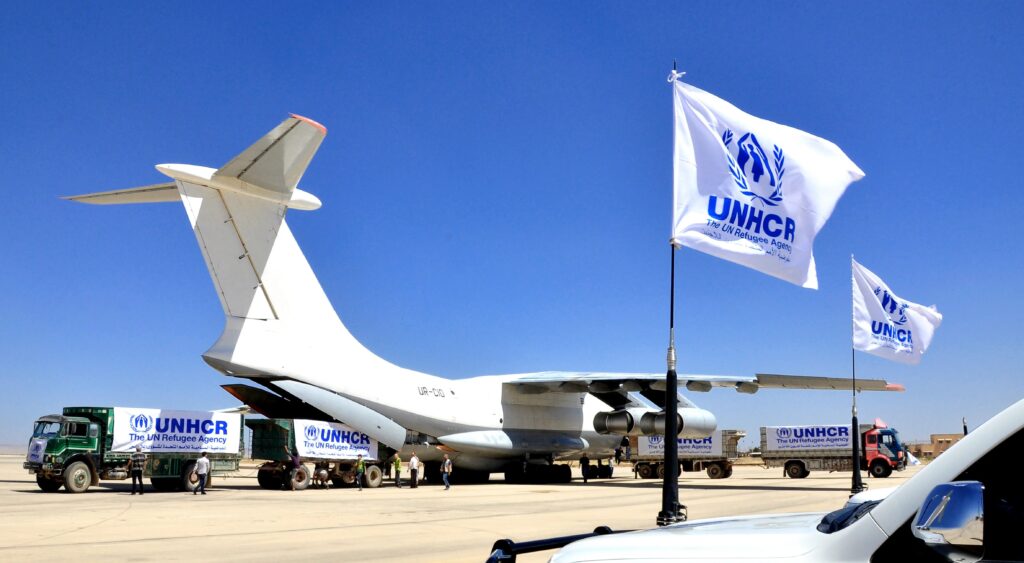
    The life of refugees in South Africa is becoming very difficult day by day. Since the start of covid-19, UNHCR has decided to join the South African government in order to collaborate with SASSA and ensure that all refugees with Asylum Seekers and Special Permit Holders benefit also from the SRD R350 Grant of which the payment will take place every after 6 months. So if you haven’t applied yet, you need to click here to Apply.

    Due to what happened yesterday, 27 August 2024, more than 200 refugees were arrested by the police in the Durban CBD, therefore UNHCR officially opening an application form to all refugees and asylum seekers who are living in South Africa


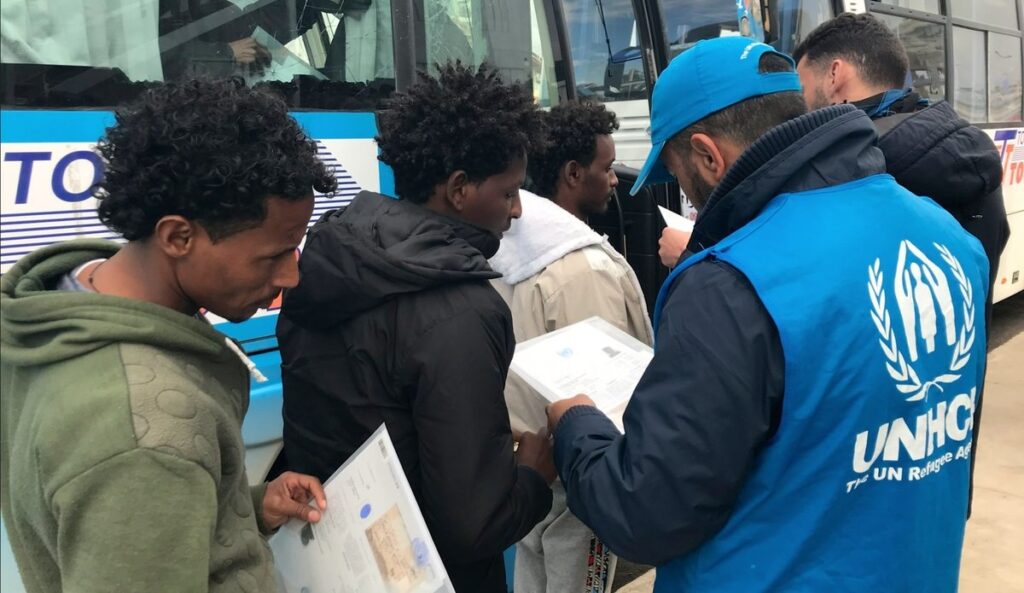
    We would like to inform all refugees and asylum seekers that after submitting their application, we will contact them through their application cell phone numbers for their first interview.

    We will put a list below of the questions that we will ask you during the interview, so we strongly advise you to be ready and write down the answers to those tricky questions for the first interview, because we will ask you the same question for the second interview.

    If your interview goes well, we will invite you to come and collect your Refugee Identity Card at our office while waiting for our last next step which is your body health check up and give 500 US dollars for your purchases/ or shopping.

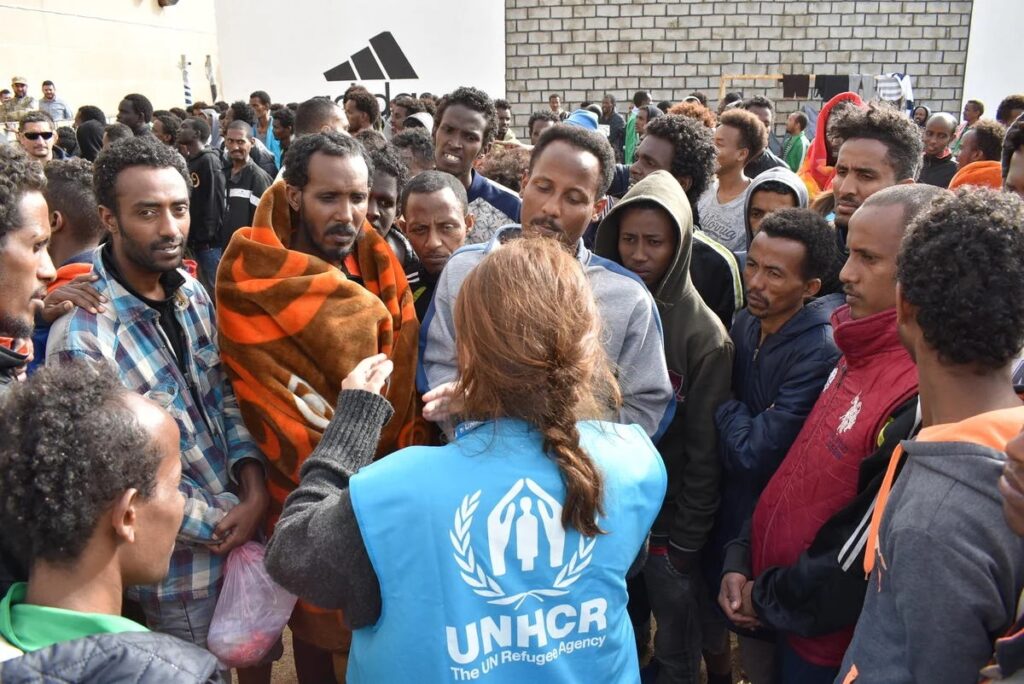
    Like we said, the Refugees and Asylum seekers substantive interview is a chance for us to be sure if you are not lying and if your story checks out and Don’t worry if you feel overwhelmed. We will ask you some of our tricky questions which will be:

    • About you
      • Names
      • Date of Birth
      • Nationality
      • Home Language
      • Criminal records etc…
    • About your asylum application
      • Who is making you feel unsafe?
      • What’s the treat you’re escaping?
      • How did you collect your evidence?
    • About your story
      • Where were you born
      • Last School Attended
      • Biography of your Parents
      • When did you arrived here?
      • Why did you leave your country?
      • What are you doing for a living here?
      • When did you leave your home country?
      • Do you have any family left there? Are you still in contact with them?
      • Have you been to other countries? Have you tried to claim for asylum there?
      • How many countries have you crossed to get here? and which transport did you use?

    Try to answer each question as accurately as possible, without guessing or speculating.

    For example, “When did you leave your home country?” If you remember the exact date, great! But often you might not remember specific dates – especially if you are not keeping a note of it.

    What do you do in case you don’t know the date? Try to be as close to the actual date – which month? What season was it? Last summer? Was it around some festival that you remember?

    Be prepared for the same questions to be asked again and again – don’t get rattled. Just keep a cool head, ask for water if you need it, take a break if it feels too overwhelming and start again, we will wait for you by putting a call on hold for 5 minutes.

    REMEMBER: Even the simplest of questions might seem overwhelming when asked repeatedly. Be prepared to be pushed just a bit and don’t lose the number you applied with.

    ACTION: Try to conduct at least one to two practice interviews with your lawyer/ or social worker to build your confidence, if possible.

    NEXT: We will inform you of the latest decision regarding your application.

    And don’t forget: You are valuable. You are powerful. You can do this!

    Good Luck.

    UNHCR Refugee Journey Overview

    1. Country of Departure:
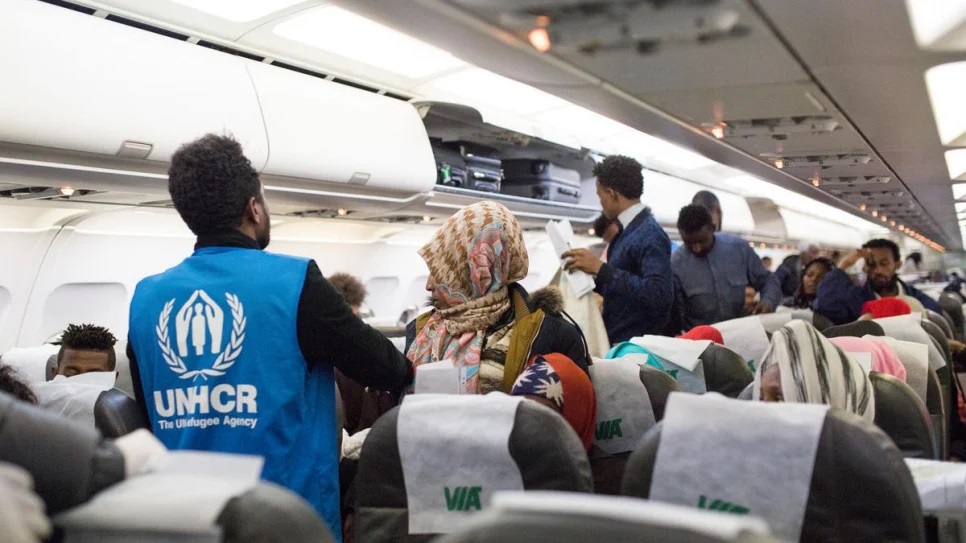
    Refugees under the UNHCR program come from various countries experiencing conflict, persecution, or other humanitarian crises. Common departure countries include Syria, Afghanistan, South Sudan, DRC, Venezuela, and Myanmar, Burundi, among others. The departure process usually involves registration with the UNHCR in refugee camps or urban settings in neighboring countries where refugees initially seek asylum.

    2. Destination Countries in Europe:
    Refugees are resettled in various European countries based on resettlement agreements and quotas. Some of the primary destination countries in Europe include:

    • Ireland
    • Poland
    • Sweden
    • Norway
    • Denmark
    • Netherlands

    3. Departure Process and Journey:
    The resettlement process involves multiple steps:

    • Registration and Assessment: Refugees are registered by the UNHCR and assessed based on vulnerability and protection needs.
    • Interviews and Background Checks: Refugees undergo detailed interviews and background checks by resettlement countries to ensure eligibility and security.
    • Travel Arrangements: Once accepted, refugees receive travel documents, medical screenings, and pre-departure orientation. The UNHCR and IOM (International Organization for Migration) facilitate their flights and other travel arrangements.
    • Arrival and Reception: Upon arrival in Europe, refugees are received by local authorities, NGOs, and support organizations that help with integration.

    4. Refugee Salary in Europe:

    • General Overview: Upon arrival, refugees usually do not receive immediate employment but are provided with basic support, such as housing, healthcare, and financial aid, while they adjust and start the integration process.
    • Employment and Salary:
      • Refugees are allowed to work once their status is confirmed and they receive the necessary permits.
      • Average Salary per Hour: The hourly wage varies significantly across Europe depending on the country, local labor market, and job type. However, as a rough guide:
        • Ireland: €12-15 per hour for entry-level jobs.
        • Poland: Around €12-14 per hour
        • Sweden: €11-14 per hour.
        • Norway: €10-12 per hour (minimum wage is around €11 per hour).
        • Denmark: €10-12 per hour.
        • Netherlands: €11-13 per hour.
    • Factors Affecting Salary: Refugee salaries depend on language skills, education level, professional experience, and the local job market conditions.

    5. Integration Challenges and Support:

    • Language Barriers: Language proficiency is often a significant hurdle for refugees in finding well-paying jobs.
    • Skill Recognition: Many refugees struggle with getting their qualifications recognized, limiting job opportunities.
    • Support Services: European countries offer various integration programs, including language courses, job training, and counseling services to help refugees integrate into society and the workforce.

    UNHCR Refugees and Asylum seekers Process

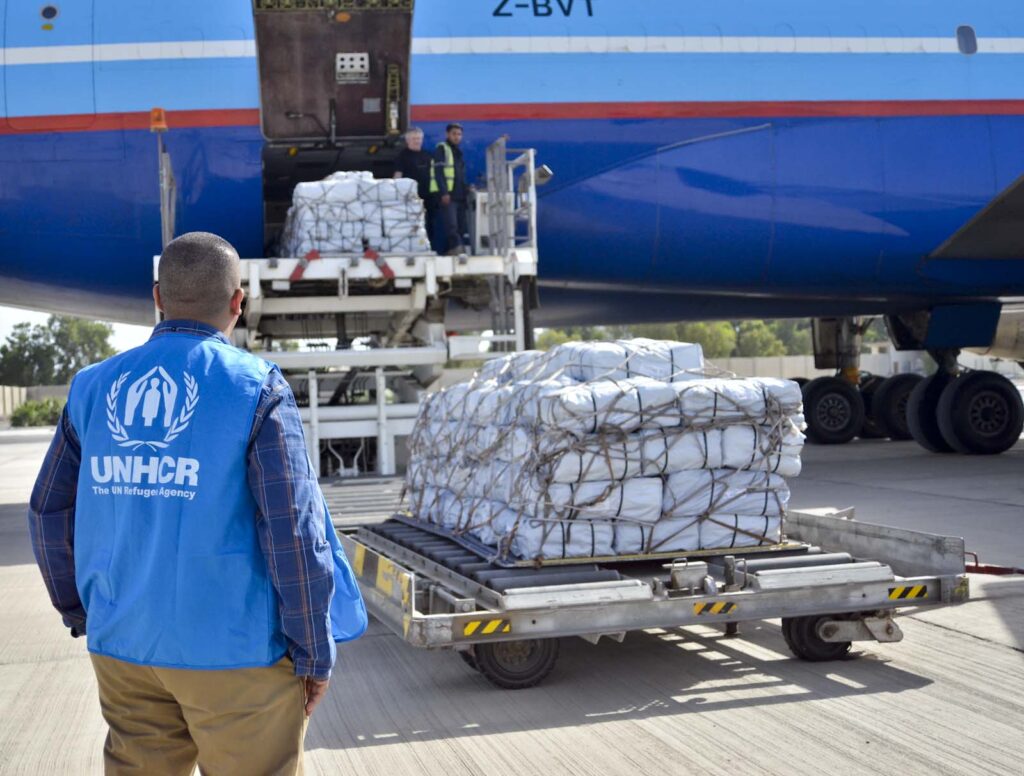
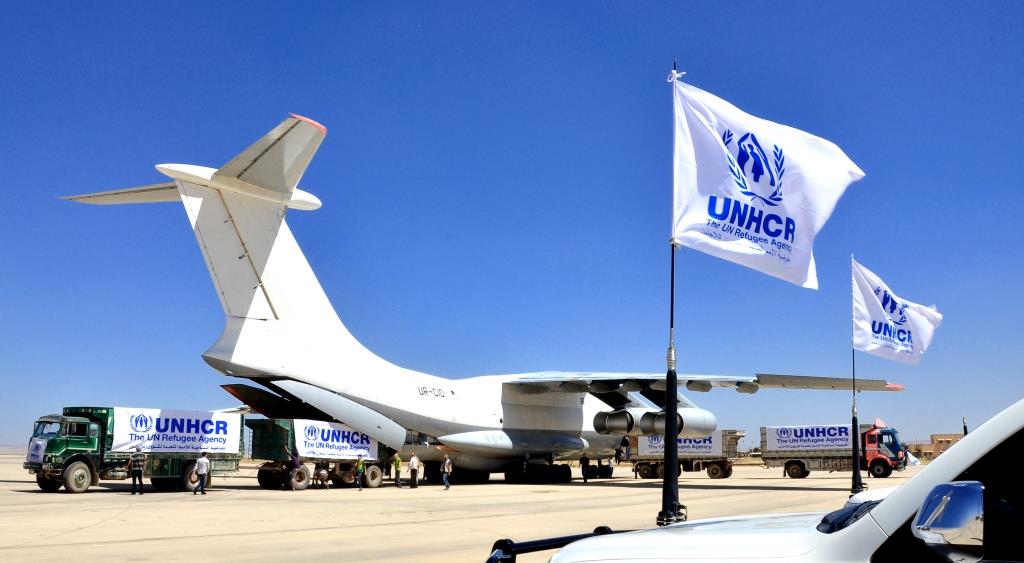
    The United Nations High Commissioner for Refugees (UNHCR) does not directly transport people to Europe. Instead, UNHCR focuses on protecting and assisting refugees and asylum-seekers, including facilitating resettlement and providing humanitarian aid in various regions. Here’s a detailed overview of how the process works and how UNHCR supports refugees, leading some to find pathways to Europe:

    1. Identification and Registration:

    • Initial Contact: Refugees often arrive in countries neighboring conflict zones or areas of persecution. UNHCR identifies and registers individuals in need of protection.
    • Documentation: Refugees are issued documents confirming their status, which is crucial for access to aid, legal protection, and potential resettlement opportunities.

    2. Refugee Camps and Support Centers:

    • Temporary Shelters: Many refugees live in camps or urban areas supported by UNHCR, receiving food, medical care, education, and other basic services.
    • Protection Services: UNHCR provides legal assistance and protection against forced return (refoulement), while working to ensure refugees’ safety and dignity.

    3. Resettlement Programs:

    • Resettlement Selection: Only a small fraction of refugees is eligible for resettlement. UNHCR identifies the most vulnerable individuals, such as survivors of violence, families with urgent medical needs, or those facing severe threats in their current location.
    • Country Quotas: UNHCR works with countries that accept refugees for resettlement, including several European nations. Each country sets quotas and criteria for accepting refugees.
    • Application Process: UNHCR helps refugees apply for resettlement, preparing dossiers and coordinating interviews with officials from potential host countries.

    4. Preparing for Resettlement:

    • Cultural Orientation: Refugees often receive cultural orientation sessions to help them understand what to expect in the new country, covering language, culture, laws, and rights.
    • Medical Checks and Travel Documents: Medical examinations ensure refugees are fit to travel, and necessary documents (e.g., visas) are obtained.

    5. Transportation to Europe:

    • Logistics Coordination: While UNHCR doesn’t provide transportation directly, it coordinates with the International Organization for Migration (IOM) to facilitate travel arrangements for resettled refugees.
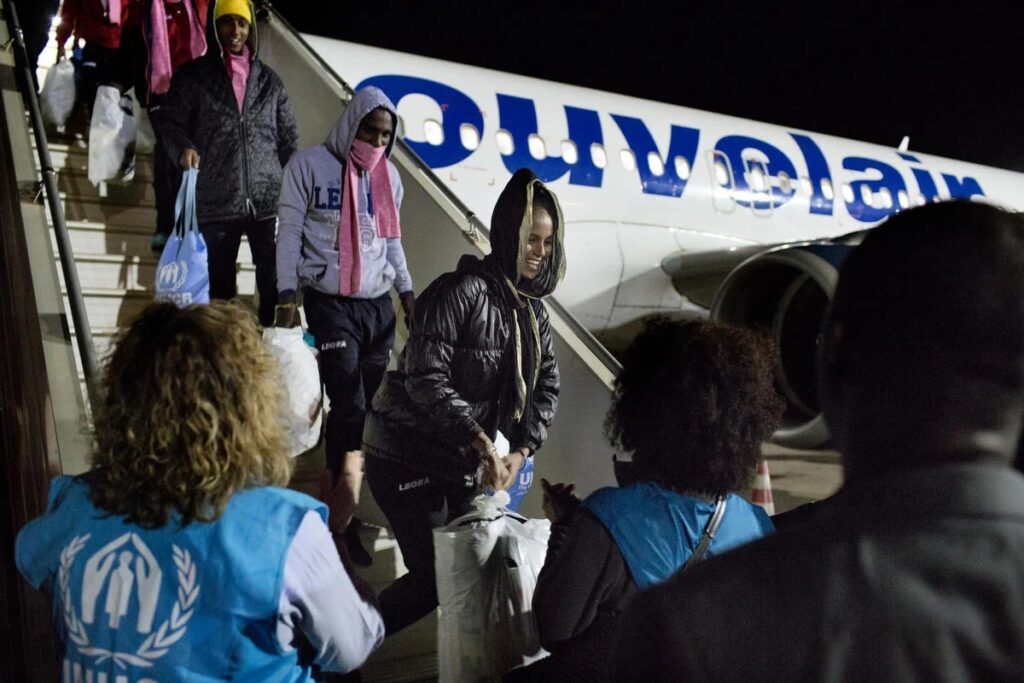
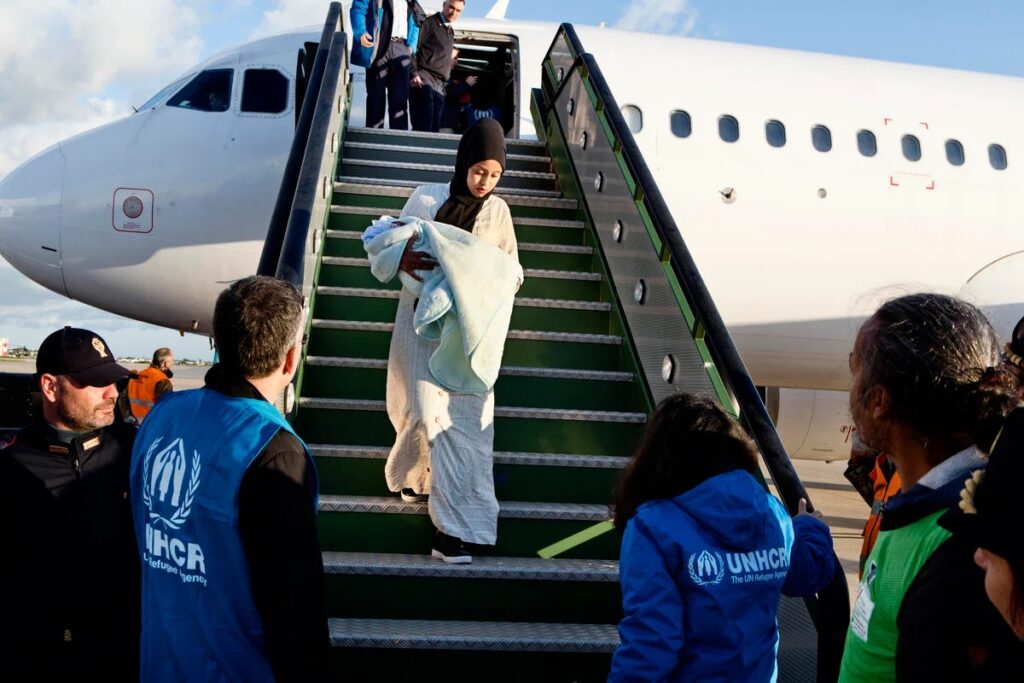
    • Safe Passage: Refugees are usually flown to Europe, where they are received by local authorities and NGOs.

    6. Integration in the Host Country:

    • Arrival Support: Upon arrival, refugees are greeted and supported through the initial stages of settlement. They receive temporary housing, access to social services, and language classes.
    • Long-term Integration: Host countries assist refugees with long-term integration, including finding permanent housing, employment opportunities, and access to education and healthcare.

    7. Other Legal Pathways:

    • Family Reunification: Some refugees reach Europe through family reunification programs, which allow immediate family members of those already granted asylum to join them legally.
    • Humanitarian Visas: Certain European countries issue humanitarian visas, allowing refugees to travel legally for the purpose of seeking asylum.

    Challenges and Misconceptions:

    • Misconception of Mass Transport: There’s a common misconception that UNHCR directly transports large numbers of refugees to Europe. In reality, only a tiny percentage of the global refugee population is resettled.
    • Smugglers vs. Legal Routes: Many refugees’ resort to dangerous routes and smugglers to reach Europe, risking their lives. UNHCR continuously advocates for safer, legal pathways.

    How does refugees receive support from UNHCR

    The process of how refugees receive assistance, including financial support and documentation in Europe, involves multiple steps, organizations, and procedures. Here’s an overview of how the UNHCR (United Nations High Commissioner for Refugees) and other relevant bodies are involved:

    1. Reaching Europe:

    • Routes: Refugees typically reach Europe via land, sea, or air. Common routes include crossing the Mediterranean Sea, overland through Turkey and the Balkans, or through legal humanitarian corridors.
    • Smugglers and Risks: Many use smugglers, facing risks like dangerous journeys, exploitation, and harsh conditions.

    2. Reception Upon Arrival:

    • Initial Contact: Upon arrival, refugees are usually met by local authorities, coast guards, or NGOs. They are taken to reception centers or camps where they receive immediate aid.
    • Screening: Authorities conduct security screenings, health checks, and register asylum seekers. This process is usually handled by national immigration services, sometimes in cooperation with the UNHCR.

    3. Financial Support:

    • Cash Assistance: UNHCR and local governments provide financial aid to help refugees meet their basic needs. This is often done via prepaid cards, direct cash distributions, or bank transfers.
    • Criteria for Assistance: The amount and duration of financial support depend on the refugee’s vulnerability, legal status, and country of asylum. Factors include family size, age, health status, and access to other aid.

    4. Reception and Housing:

    • Reception Centers: Refugees are often first placed in reception centers, which provide basic shelter, food, and medical care.
    • Integration Programs: After initial reception, they may be moved to more permanent housing, often arranged by local municipalities, NGOs, or volunteer organizations.

    5. Document Issuance:

    • Registration and Asylum Application: Refugees need to apply for asylum to obtain legal status. During this process, they receive temporary documents that grant them rights to stay in the country until a decision is made.
    • Residence Permits: Once granted asylum, refugees receive residence permits that allow them to work, study, and access public services.

    6. Credit and Financial Access:

    • Opening Bank Accounts: Refugees can open bank accounts with the help of residence permits and other identification provided during the asylum process. Financial literacy programs also help them manage their finances.
    • Social Security and Benefits: They may also access social benefits like healthcare, education, and sometimes unemployment benefits, depending on the host country’s policies.

    7. Who Receives Them:

    • Authorities and NGOs: Local authorities, the UNHCR, IOM (International Organization for Migration), and numerous NGOs are involved in receiving, processing, and supporting refugees.
    • Community and Volunteer Organizations: Many grassroots organizations and volunteers also provide support, helping refugees integrate into local communities.

    8. Taking Credit:

    • Government and UN Agencies: Host governments, international bodies like the UNHCR, and the European Union often highlight their efforts in supporting refugees, especially in public reports and media.
    • NGOs and Civil Society: NGOs, both large and small, often publicize their work to attract donations and public support, highlighting their role in aiding refugees

  • Asylum Seekers and Special Permit Holders Application

    The life of refugees in South Africa is becoming very difficult day by day. Since the start of covid-19, UNHCR has decided to join the South African government in order to collaborate with SASSA and ensure that all refugees with Asylum Seekers and Special Permit Holders benefit also from the SRD R350 Grant of which the payment will take place every after 6 months. So if you haven’t applied yet, you need to press the button below to continue.

    Click here to apply for SASSA R350 Grant


    Refugee Status & Asylum Seekers info

    A person enters the Republic of South Africa through a point of entry (a land border post, airport or port), claims to be an asylum seeker and is therefore issued a permit under section 23 which is a non-renewable “asylum transit”. permit” of the Immigration Act.

    The permit is valid for a period of 14 days only and entitles the person to present themselves at the nearest refugee reception office in order to apply for asylum in accordance with Article 21 of the Refugee Act.

    The asylum seeker is required to provide

    • A section 23 permit
    • Any proof of identification from the country of origin
    • A travel document if in possession of one

    The asylum seeker submits their application in person to a designated refugee reception office where an admissibility investigation takes place. The following are done:

    • The applicant’s fingerprints are taken in the prescribed manner
    • Interpreter from their Countries
    • First interview conducted by a Refugee Reception Officer
    • Applicant’s data and image captured in the refugee system
    • An Asylum Seeker’s permit (a section 22 permit) is printed, signed, stamped and issued to the Asylum Seeker

    The section 22 permit which is valid for a period of six months legalizes the asylum seeker stay in the Republic of South Africa temporarily pending a final decision on his application. The permit can be extended online for a further six months while the process of status determination is in progress.

    Request for extensions must be sent to the refugee reception office where the last extension was done.

    Read the PDF below to learn how to renew your asylum.

    Note: The new Musina extension email address is now asms.extensions@dha.gov.za

    How much does it cost to obtain or renew asylum?

    There is no fee to pay for a refugee to obtain or renew asylum. The service for asylum seekers and refugees is free.

    All asylum seekers are encouraged to report anyone who asks them for money. Via hacc@dha.gov.za or Call us: 0800 60 11 90


    Who is an asylum seeker?

    Is a person who has fled their country of origin and is seeking protection as a refugee in South Africa, and in the meantime whose candidacy or application is still awaiting the final decision from Home Affairs.

    If the decision of the Department of Home Affairs is negative regarding his application, he will have to leave South Africa voluntarily or face deportation.


    Who is a Refugee?

    This is a person who has been granted asylum status and protection under Article 24 of the Refugee Act No. 130 of 1998.

    Under the 1951 United Nations Convention, a refugee may be a “Convention refugee” who has left his or her country of origin and has a well-founded fear of persecution on grounds of race, religion , their nationality, their political opinions or their membership in a particular social group. .

    According to the same convention, a refugee can also be a person “in need of protection” whose return to their country of origin would subject them personally to a risk of torture or to a risk to their life or to a risk of punishment or treatment. cruel and unusual. .

    Role of the Government of the Republic of South Africa

    The Government of the Republic of South Africa has an obligation to provide protection to refugees and other persons in need of protection under a number of United Nations conventions such as the 1951 Convention Relating to the Status refugees.

    However, Convention refugees and persons in need of protection due to risk to life or cruel and unusual treatment must have personally exposed that risk throughout their time in the country in question.


    If asylum seekers decide to return to their country of origin, we advise them to go to their embassies so that they can assist them and provide them with the travel document, but they should know that their asylum application will be canceled by the Home Affairs system. and if they try to return to South Africa, they will be arrested for 6 years and then deported back to their country.

    The South African government has discovered that Asylum Seekers comes to South Africa for a better future, so we advise them to apply to the UNHCR application form in order to go where they will find a better future.

    Online application for enabling documents (identity & travel documents) for refugees.

    1. In an effort to improve service delivery the Department of Home Affairs has decided to discontinue the use of this email enabledocument.asm@dha.gov.za

    From the 1st October 2022 refugees are required to forward their request to the following emails:

    a) To apply for Refugee Identity Document (ID) use refugeeID@dha.gov.za

    b) For inquiries in relation to ID applications use enquiryRefugeeID@dha.gov.za

    c) To book for travel documents appointment use traveldoc@dha.gov.za

    d) For inquiries in relation to travel documents use enquirytraveldoc@dha.gov.za

    For collections of Refugee ID & Travel Document:

    2. Please note that all application received from enabledocument.asm@dha.gov.za  up until the 30th September 2022 will be processed accordingly until they are all cleared. 

    REQUIRMENTS FOR THE APPLICATION FOR REFUGEE IDENTITY DOCUMENT (ID)

    1. Copy of not less than 1 year valid Formal Recognition of Refugee Status (Section 24 Visa);
    2. Proof of Residence
    3. Indicate the office of collection
    4. For the email “SUBJECT” use the following format – Application for ID – Name of Refugee Reception Office (Names & Surname – File Number). For example: Application for ID – Musina (Mary Ndawo – DBRSOM000141107).

    PLEASE NOTE:

    • That for both Identity & Travel Documents an automatic reply will be sent to the applicant as an acknowledgement of receipt of and application, you need not reply.
    • That for Travel Document no request will be processed without a valid Refugee Identity Document. This means that asylum seekers are not yet allowed to apply for an ID or passport. Only refugees are allowed.

    REQUIRMENTS FOR THE APPLICATION FOR TRAVEL DOCUMENT(PASSPORT)

    1. Letter of intention to apply for the travel document accompanied by:
      • copies of not less than 1 year valid Identity document
      • Any supporting document for the request to travel (e.g. University admission letter, employment letter, invitation letter & etc.)
    2. Invitation email will be issued with appointment date
    3. Upon receipt of the request an email will be sent with an appointment date for interview at the Refugee Reception Office;
    4. Upon granting permission to apply for Travel Document the following will be required:
      • 2 X 1 Passport photographs 
      • Payment of R400 
    5. For the email “SUBJECT” use the following format – Application for Travel Document – Name of Refugee Reception Office (Names & Surname – File Number)
      • for example: Application for Travel Document – Musina (Étienne Ndzube – PTACOD0026121106).